
Researchers refer to social-network altruism as reciprocity, and reported the impressive generous actions of more than 700 participants during the project. In an interview with Science Daily, researcher David Melamed explains that altruism “means doing something for someone else at a cost to yourself.”

There is common misperception about dyslexia: it’s a just reading problem. But maybe it’s much more than that. New research has shed light on this multifaceted issue. According to a recent article published in the…

It’s no secret that teenagers tend to stay up later than they should, and would generally rather sleep till noon the next morning. But with early school start times, those night-owl teens are often woefully…

Do people with autism have a greater quality of life if they are aware of their diagnosis? New research published in the April 11, 2022 issue of Autism seems to indicate that the answer is “yes.” In…

Children who suffer from Autism Spectrum Disorder (ASD) and are diagnosed prior to age eight are more likely to receive the services they need to overcome the anxiety, behavioral struggles, and psychosocial deficits associated with…
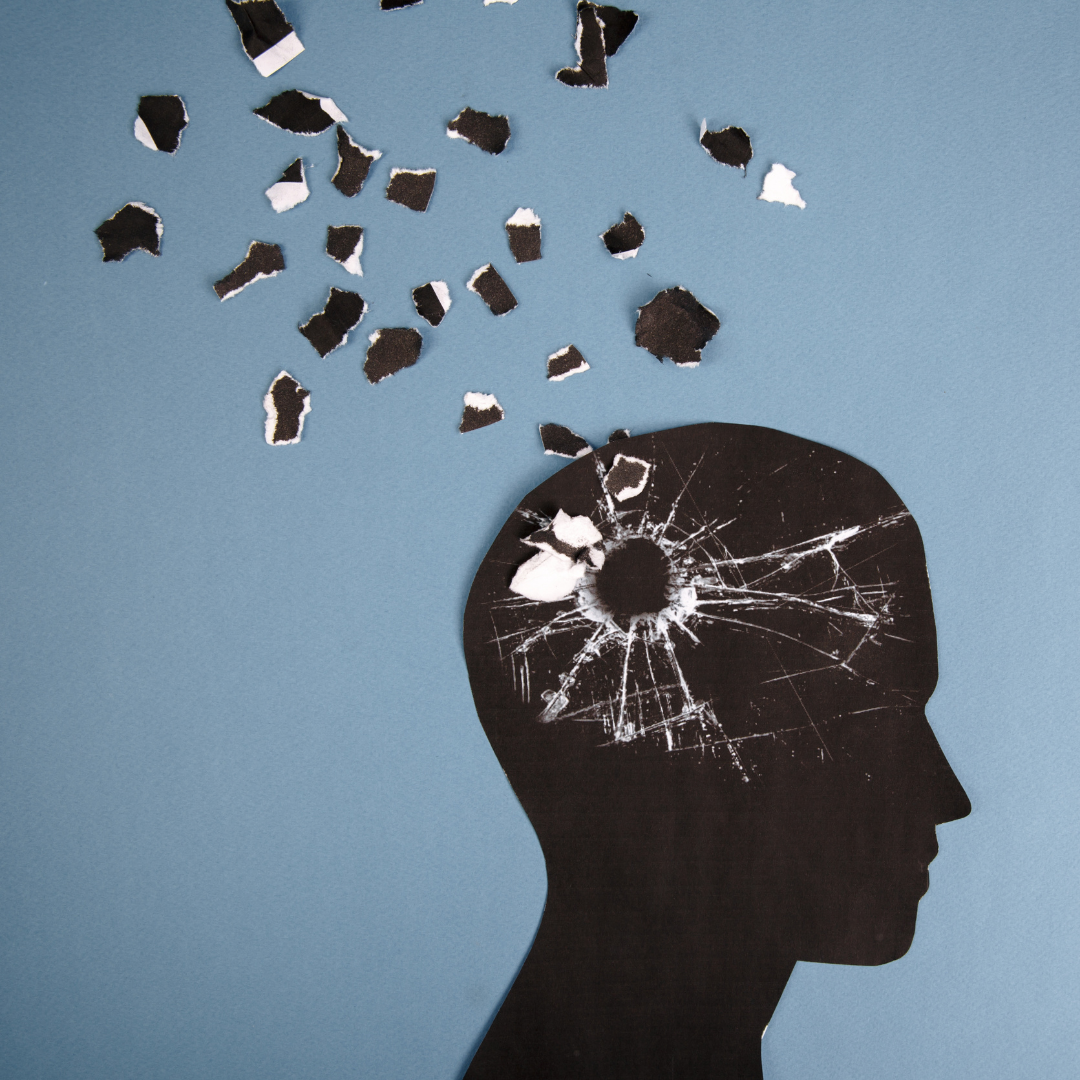
Brain training has become a prominent and controversial subject across media, medical, and scientific fields. Revelation of chronic traumatic encephalopathy (CTE) as a result of repeated and persistent sports-induced brain injury has brought the need…
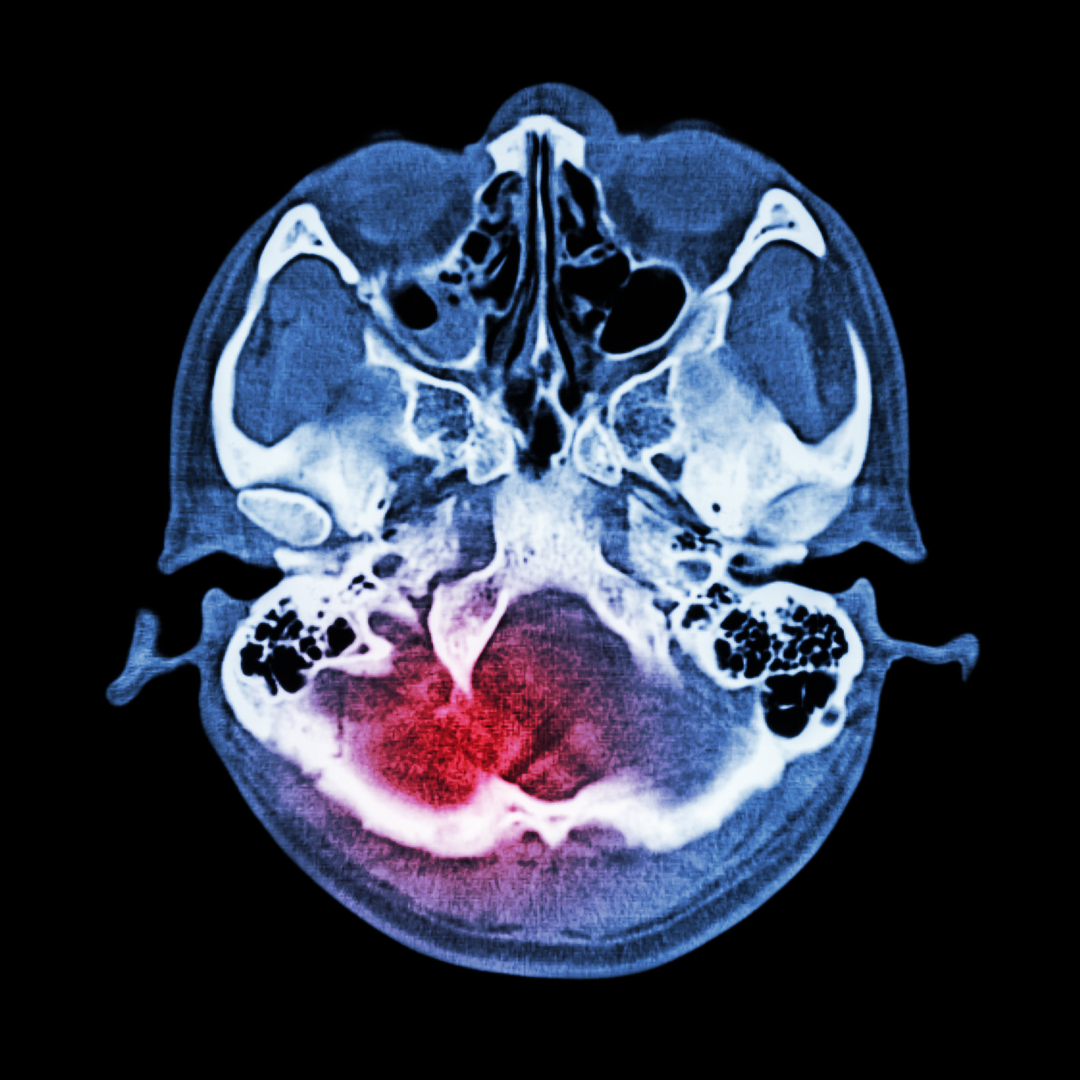
Mild brain injury can result from childhood concussions, sports injuries, and even minor car accidents. Brain injury patients often suffer from long-term cognitive and neurological problems, with a need for practical rehabilitation tools that bring…

Juliana came in from school and rushed straight to her room. After 45 minutes of meticulously arranging her hair and make-up she sat in the afternoon sunlight by her window and smiled coquettishly into her…

According to recently published research in Perspectives on Psychological Science, there could be “an evolutionary mismatch between smartphones and the social behaviors that help form and maintain close social relationships.”

The ABCD Study was launched in 2015 by the National Institute of Health (NIH) and is currently the largest research of adolescent brain health and development in the United States.